
Expert Answers on Fumes, Gases, PPE, and Ventilation – By TOKO Welding Engineer Edward Wu
Safety & Process Optimization Specialist | AWS-Certified
Edward has over 15 years of experience helping welders and fabricators maintain safe working environments while maximizing productivity. His practical knowledge of TOKO consumables ensures you get reliable, field-tested safety advice.
Find expert answers to common questions about TOKO welding rods, welding wire safety, fumes, gases, ventilation practices, and personal protective equipment. Below, Edward Wu shares professional insights to keep you safe and productive.
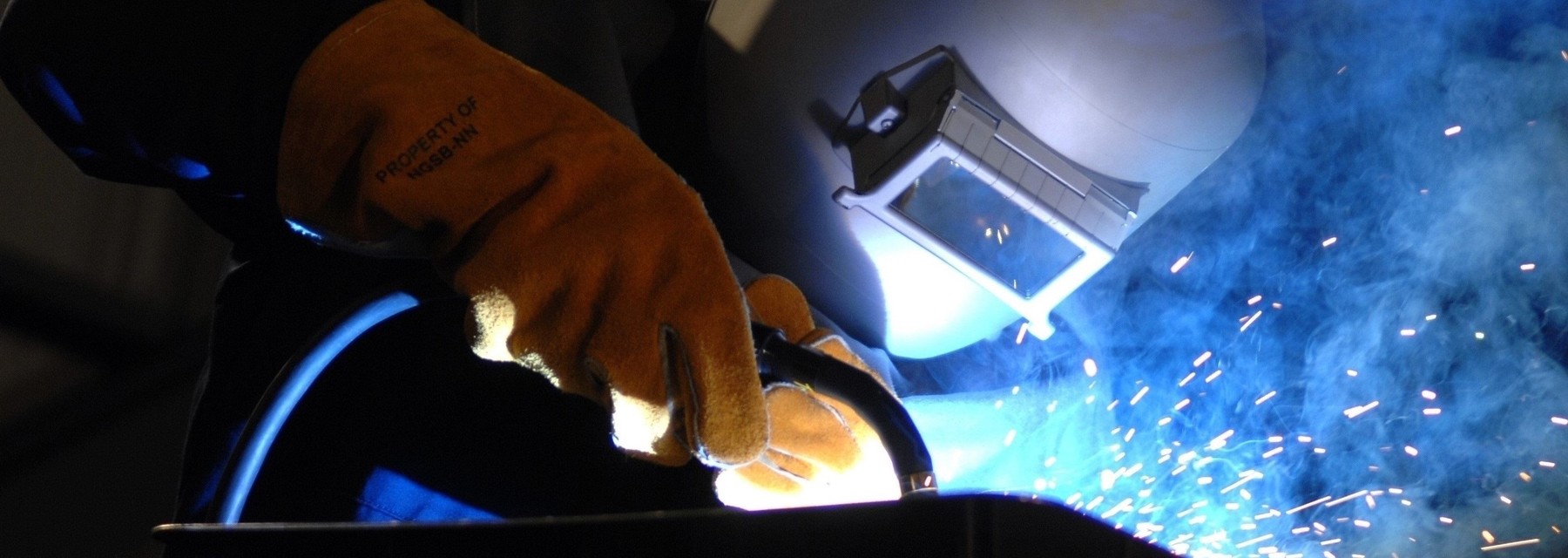
The most common compounds in arc welding fume from mild steel are iron, manganese and silicon. Other compounds from the TOKO electrode or base metal may also be present depending on the application.
Fumes from the use of TOKO stainless steel welding rods and hardfacing products contain chromium or nickel. These elements are essential for corrosion resistance and wear properties but require additional precautions.
Asthma has been reported, and some forms of these metals are known or suspected to cause lung cancer in processes other than welding. Therefore, it is recommended that precautions be taken to keep exposures as low as possible when using TOKO stainless steel and hardfacing consumables.
Manganese overexposure may affect the central nervous system, resulting in poor coordination, difficulty in speaking, and tremor of arms or legs. This condition is considered irreversible. Always follow safety guidelines when using TOKO welding wire and electrodes that contain manganese.
Zinc fume fever (metal fume fever) is caused by overexposure to zinc oxide fumes, typically when welding on galvanized steel with TOKO welding rods or wire. Symptoms include fever, chills, nausea, and headache – similar to the flu.
Zinc in welding fume usually comes from welding on galvanized steel with TOKO welding wire or electrodes. Always remove galvanized coating from the weld area when possible, or use adequate ventilation and respiratory protection.
Each TOKO welding power source and container of TOKO consumable product has a warning label with specific safety instructions. Additionally, the Material Safety Data Sheet (MSDS) for every product is available on the TOKO website and inside product packaging.
A TOKO MSDS includes a summary of hazardous materials used in the product, fire and explosion hazards, health hazard data, reactivity data, and precautions for safe handling and use of TOKO welding rods and welding wire.
Inside each TOKO consumable container. It can also be found on the TOKO website, and from your supervisor.
1) Keep fumes and gases from your breathing zone and general area.
2) Keep your head out of the fumes.
3) Use enough ventilation or exhaust at the arc, or both, to keep fumes and gases from your breathing zone when using TOKO welding consumables.
If special ventilation TOKO products are used indoors, use local exhaust. If special ventilation TOKO products are used outdoors, a respirator may be required.
TOKO hardfacing and stainless steel welding rods generally require special ventilation measures due to their higher chromium and nickel content.
Most shielding gases (argon, helium, carbon dioxide) are non-toxic, but they can displace oxygen in your breathing air, causing dizziness, unconsciousness, and possible death. Carbon monoxide may also be present and poses additional hazards when using TOKO MIG welding wire or other gas-shielded processes.
Keep your head out of the fume plume! This is essential when working with all TOKO welding consumables, including TOKO welding wire and electrodes.
The concentration is greatest in the plume directly above the arc when using TOKO welding rods and welding wire. Positioning yourself to avoid this plume is critical.
Burns are the most common injury due to sparks landing on the skin. Welding arcs are very intense and can cause burns to skin and eyes with just a few minutes of exposure when using TOKO welding rods or welding wire.

Protective clothing needed for welding with TOKO products includes general fire-resistant clothing, safety glasses, shoes, gloves, welding helmet, and leathers.
No, oxy-fuel goggles do not protect your eyes from the intense ultraviolet radiation (UV) produced by the welding arc. A welding helmet with the proper shaded lens must be used whenever welding with TOKO welding wire or electrodes.
Wool is suggested due to its durability and fire resistance. Synthetics should never be worn because they melt when exposed to extreme heat. Cotton can be worn if specially treated for fire retardation when using TOKO welding consumables.
Safety is a shared responsibility. By understanding the hazards associated with welding fumes, gases, and radiation, and by using the proper PPE and ventilation, you can protect yourself and your team while achieving high-quality welds with TOKO consumables.
Have more questions about welding safety or TOKO products? Contact our team – Edward Wu and his colleagues are ready to help you create a safer, more productive welding environment.
Disclaimer: The information contained or otherwise referenced herein is presented only as "typical" without guarantee or warranty, and TOKO Corporation expressly disclaims any liability incurred from any reliance thereon. Typical data and test results for mechanical properties, deposit or electrode composition and other properties were obtained from a weld produced and tested according to prescribed standards, and should not be assumed to be the expected results in a particular application or weldment. Actual results will vary depending on many factors, including, but not limited to weld procedure, plate chemistry and temperature, weldment design and fabrication methods. Users are cautioned to confirm by qualification testing, or other appropriate means, the suitability of any TOKO welding consumable and procedure before use in the intended application.